Intent
It is our intention that through our Science curriculum we develop in all young people a lifelong curiosity and interest in the sciences. When planning the science curriculum, we intend for children to have the opportunity, wherever possible, to learn through varied systematic investigations, leading to them being equipped for life to ask and answer scientific questions about the world around them. As children progress through the year groups, they build on their skills in working scientifically, as well as on their scientific knowledge, as they develop greater independence in planning and carrying out fair and comparative tests to answer a range of scientific questions. Our Science curriculum, provides stimulating themes to engage our children, ensures that children have a varied, progressive and well-mapped-out science curriculum that provides the opportunity for progression across the full breadth of the science national curriculum for KS1 and KS2.
As with all our curriculum subjects, our Science curriculum aligns with our Christian school vision of:
‘But those who hope in the Lord will renew their strength. They will soar on wings like eagles, they will run and not grow weary, they will walk and not be faint.’ Isaiah 40:31
At Weston Lullingfields, ‘within our small school big family with God’ community, we live out Isaiah’s message of hope through celebrating and nurturing resilience. Our curriculum promotes awe and wonder and is relevant to our children as we help them to prepare for all of life beyond our school gates.
We live out our vision through the Christian values of courage, perseverance, respect, and thankfulness with forgiveness threading through all values.
Theology
We understand that God’s heart is for all of us to soar like eagles. However, the reality is that we live in a world that is full of wows and ows – with all the challenges this leads to. God’s heart is for us to live in community where we gain the skills, confidence, and self-belief to overcome these challenges and therefore to soar.
Implementation
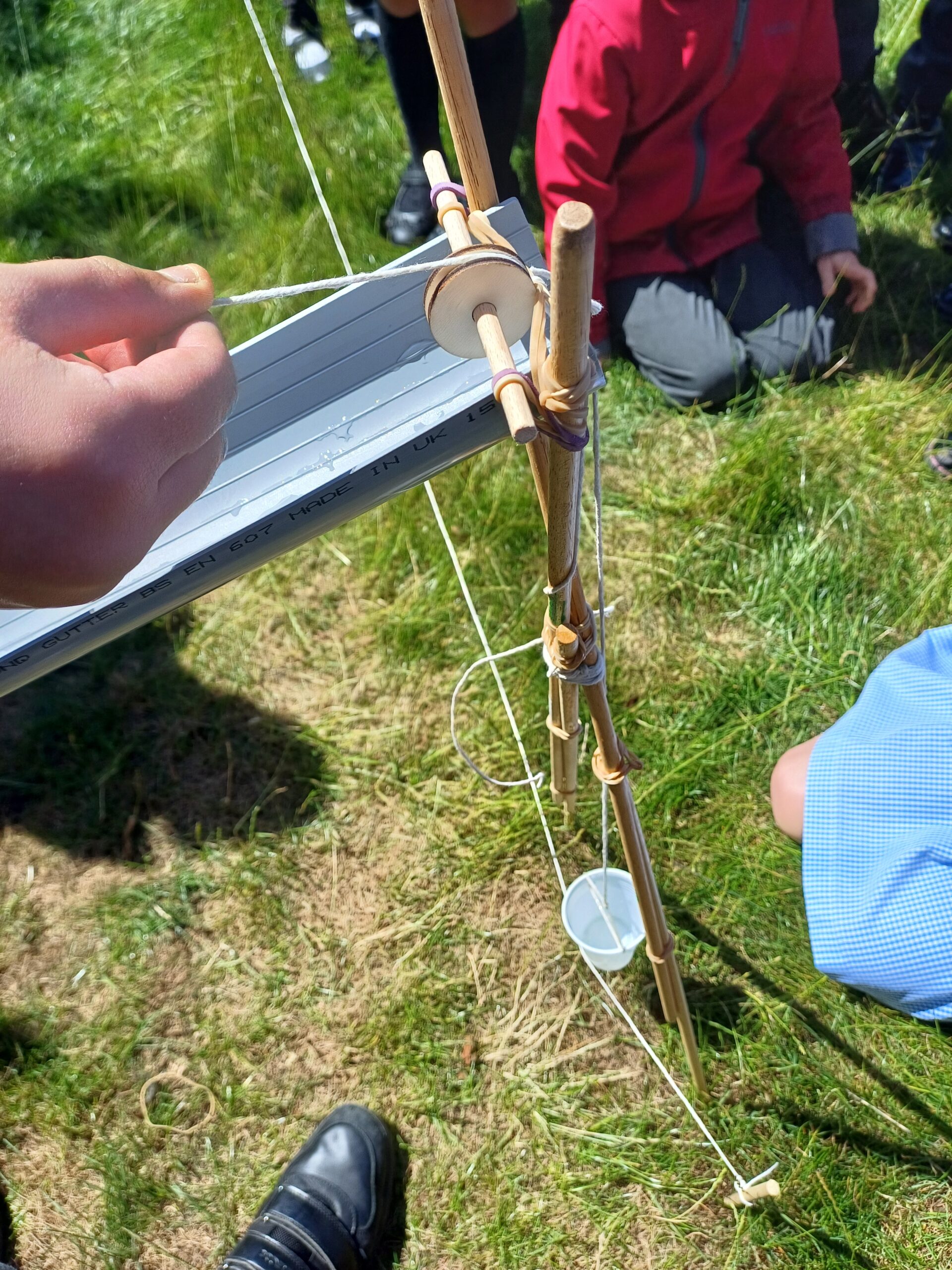
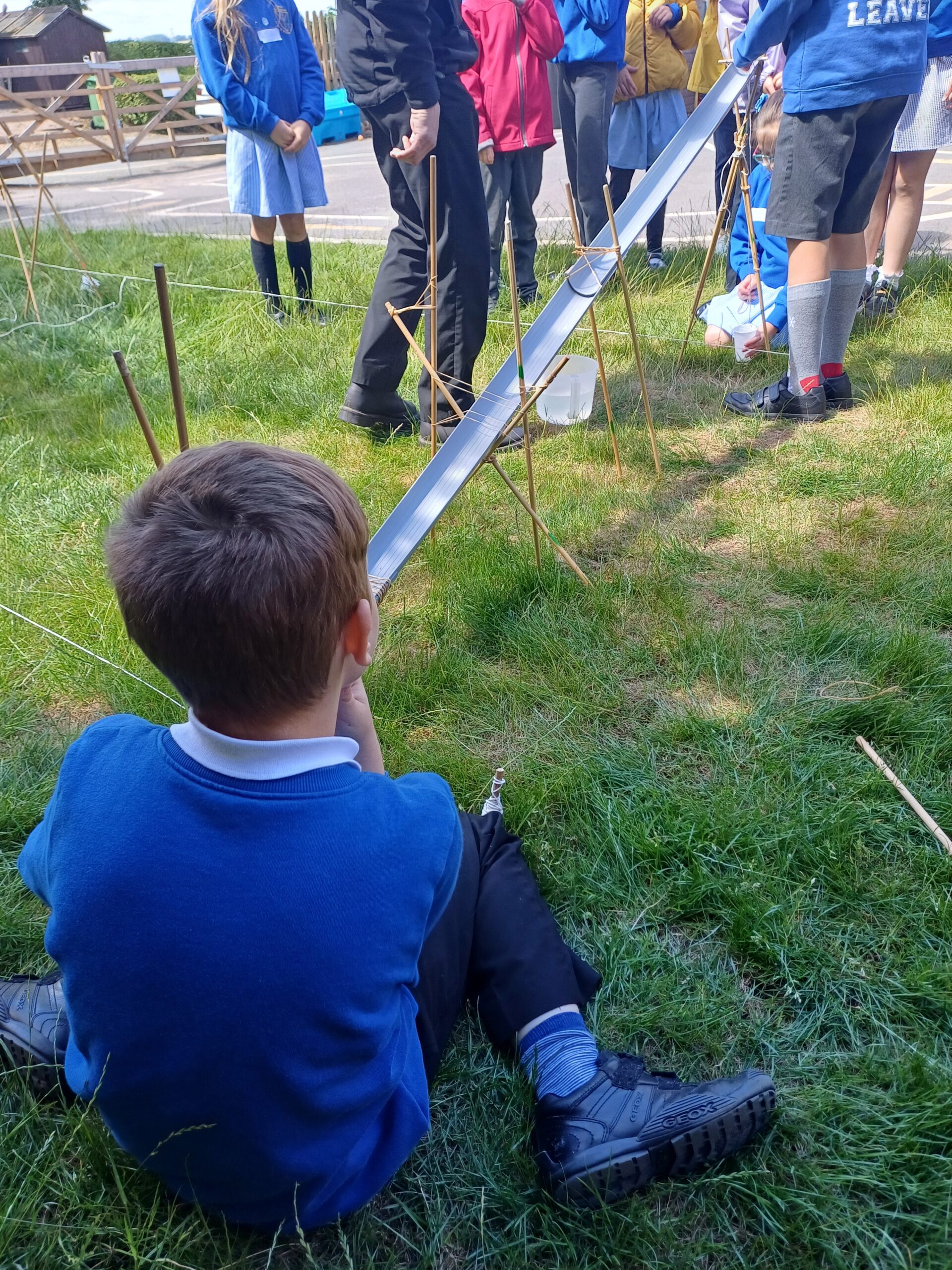
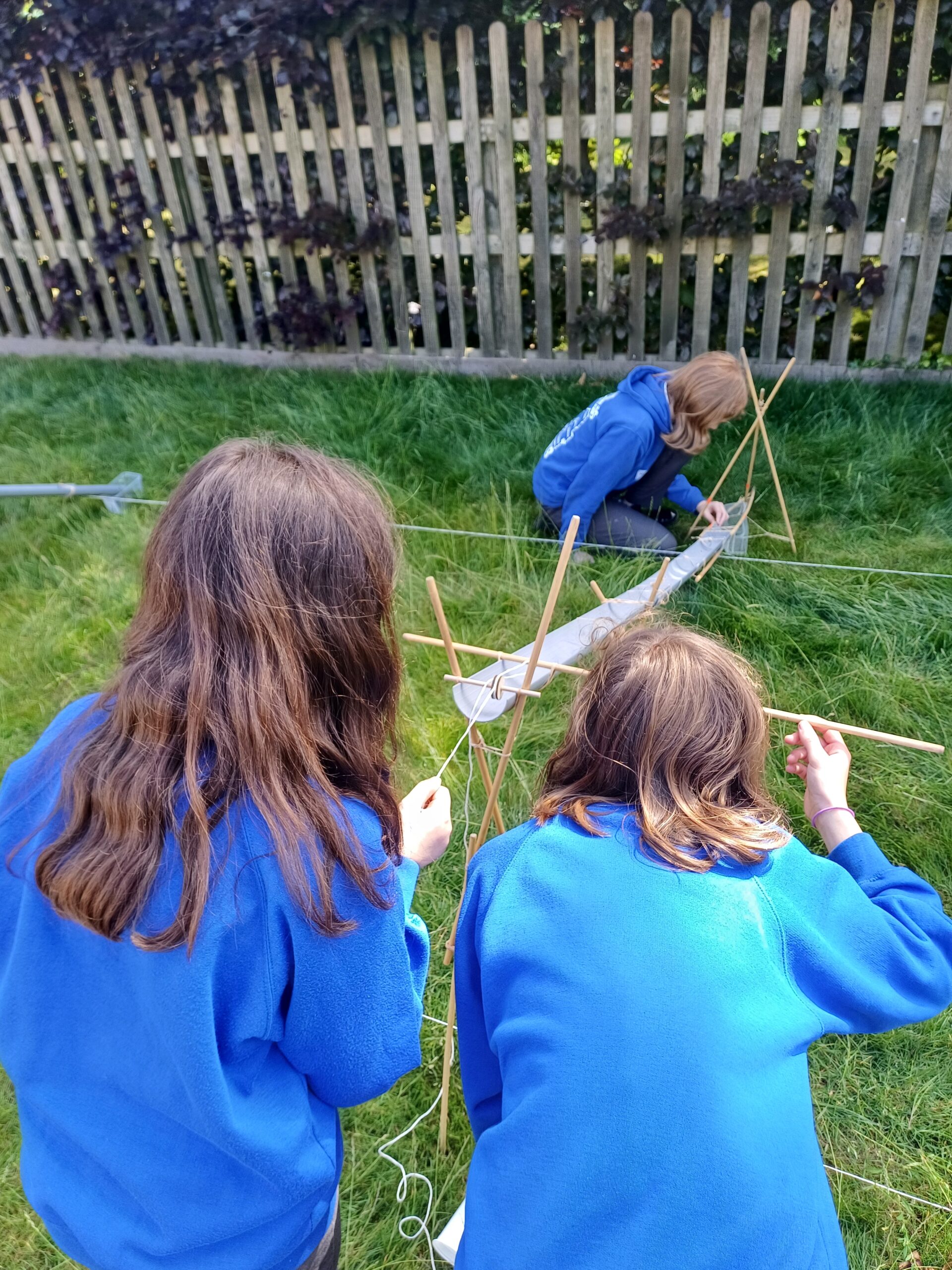
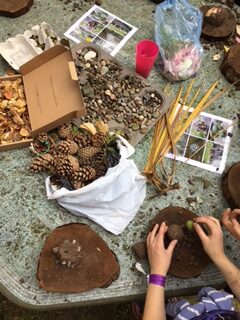
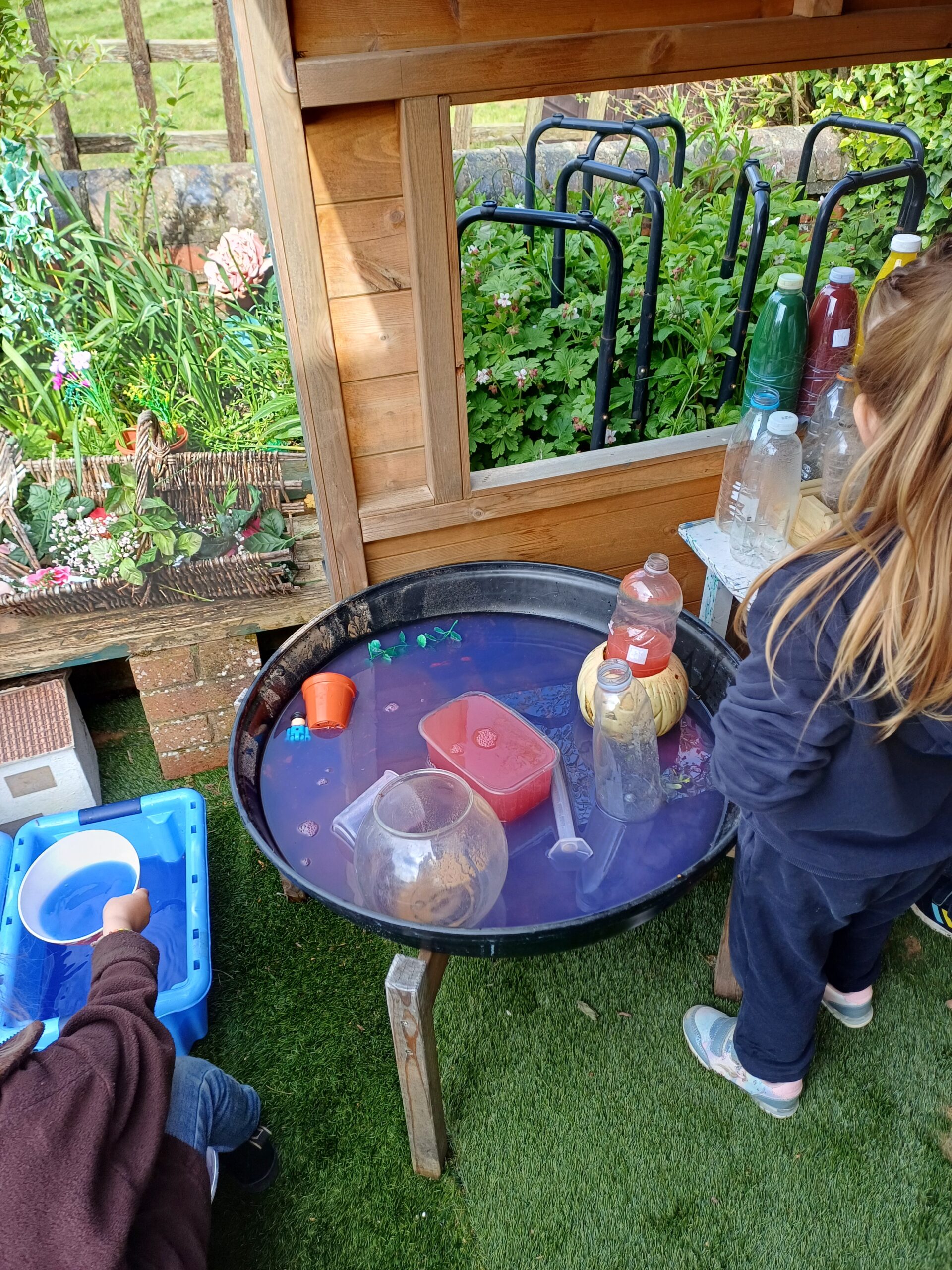
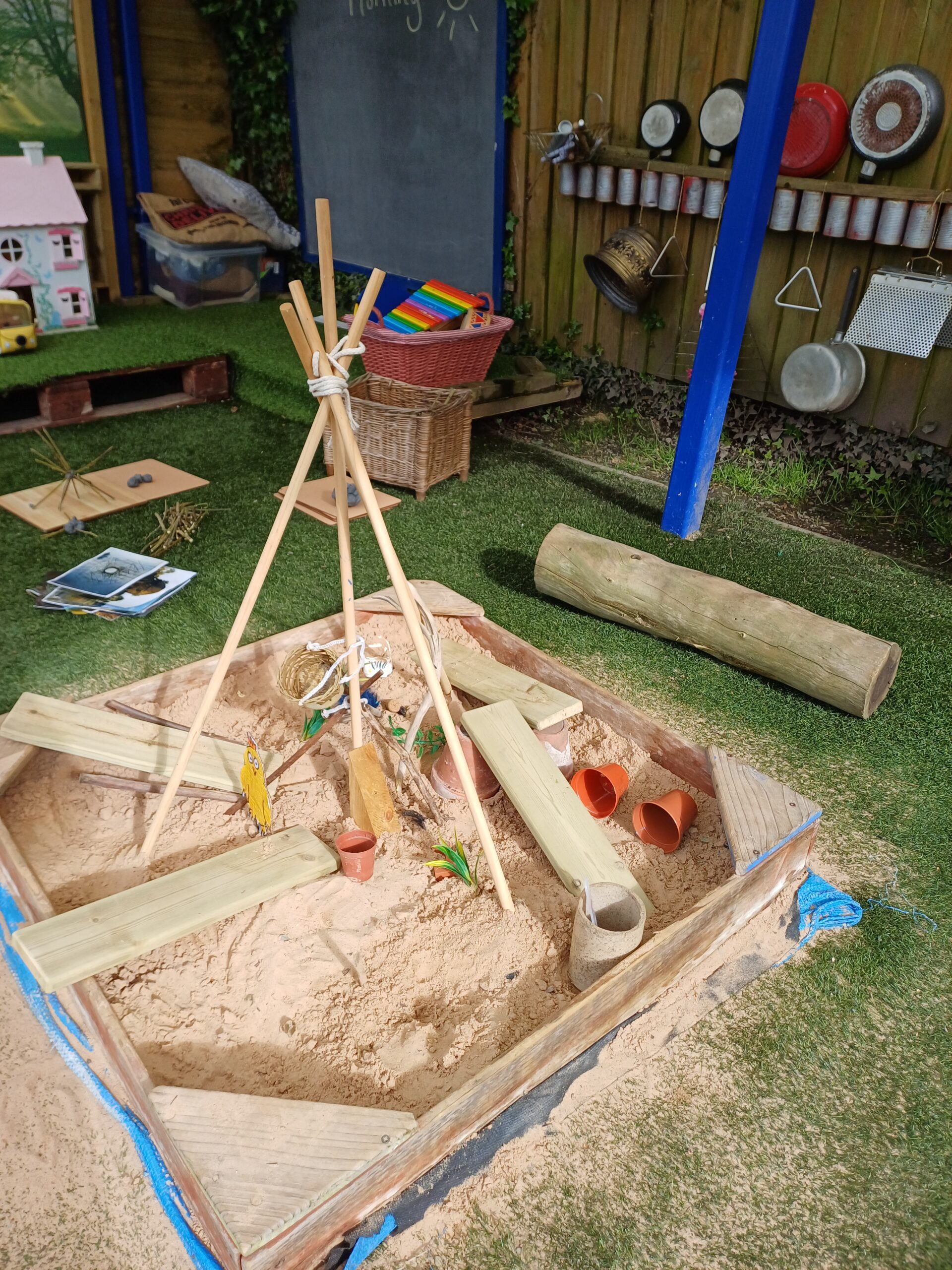
Our Science Curriculum is delivered to the children in a two-year cycle of topics. Our year one and two children are taught together as are our year 3 and 4 pupils and our Year 5 and 6 pupils. This approach insures that all children receive their science education at an age appropriate level and they have access to the full range of knowledge and skills required. Teachers are aware that pupil cohorts may be starting the planning cycles at different points, and so enable opportunities to recap/introduce concepts. Each lesson begins with a whole class study of the unit knowledge organiser where vocabulary is introduced, key concepts explained and prior learning is refreshed. The sequence of lessons helps to embed scientific knowledge and skills, with each lesson building on previous learning. There is also the opportunity to regularly review and evaluate children’s understanding. Activities are effectively adapted so that all children have an appropriate level of support and challenge, particularly important in our mixed age groups. Teachers are equipped with secure scientific subject knowledge, enabling them to deliver high-quality teaching and learning opportunities while making them aware of possible scientific misconceptions. Our science curriculum is further enhanced through the use of our beautiful outside area where children have the opportunity to explore the natural world first hand through observing, collecting and classifying living things. Our children are encouraged to take a lead role in caring and developing our environment through activities such as gardening club. Wherever possible, teachers use the surrounding natural environment to reinforce scientific concepts taught in the classroom by modelling awe and wonder and fostering a curiosity about the world around us. Teachers will also, where appropriate, plan trips to places of interest that link to topics being taught in school such as to a science museum planetarium or for some topics visitors to school may provide additional learning opportunities such as local farmers who will talk to the children about crops and their animals.
Impact
At Weston Lullingfields school our children will show scientific knowledge and skills through their ability to know more, understand more and explain more. This can be measured in different ways. Children who feel confident in their science knowledge and enquiry skills will be excited about science, show that they are actively curious to learn more and will see the relevance of what they learn in science lessons to real-life situations and also the importance of science in the real world. Attainment and progress can be measured across the school using our school assessment sheets. Impact can also be measured through useful, low time-consuming methods such as key questioning skills built into lessons, child-led assessment such as success criteria grids, and KWL grids and summative assessments aimed at targeting next steps in learning. The learning environment across the school will be more consistent with science technical vocabulary displayed, spoken and used by all learners. Whole-school and parental engagement will be improved through the use of science-specific home learning tasks and shared use of knowledge organisers.